
Our Story
Honey-based alcoholic beverages were highly valued in these cultures for their medicinal and spiritual properties.
In ancient Greece, mead was a popular alcoholic beverage made by fermenting honey with water and sometimes adding herbs or fruits for flavour. Mead was considered a gift from the gods and was often consumed during religious ceremonies and celebrations. It was also believed to have medicinal properties and was used to treat a variety of ailments.
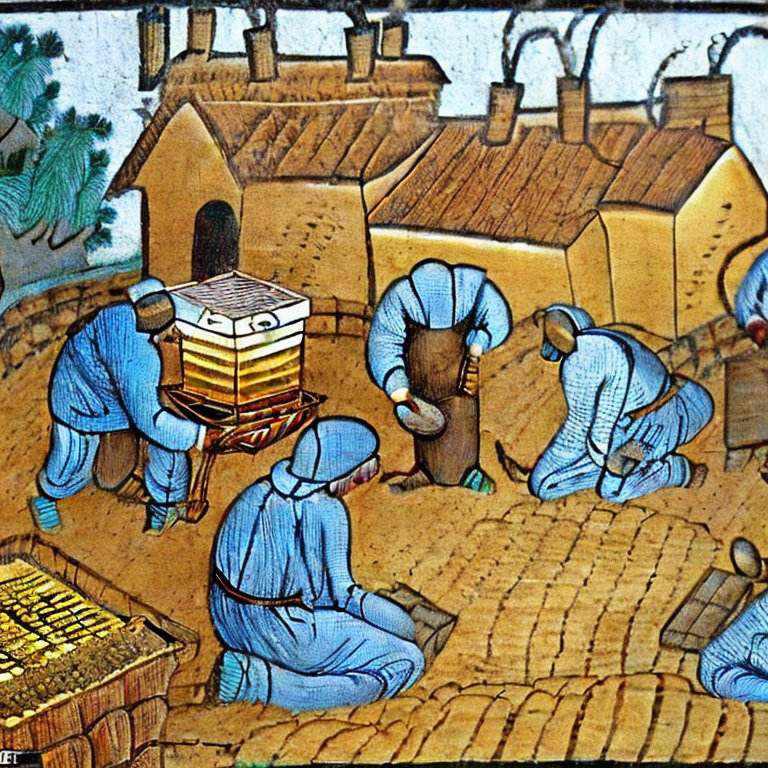
In ancient Egypt, a honey-based alcoholic beverage called "heqet" was consumed by the pharaohs and nobility. Heqet was made by fermenting honey with water and adding herbs and spices for flavour. It was also believed to have medicinal properties and was used to treat ailments such as digestive issues and sore throats.
In Viking culture, mead was a popular alcoholic beverage that was often consumed during celebrations and rituals. It was made by fermenting honey with water and adding yeast and spices for flavour. Mead was also believed to have mystical properties and was associated with the god Odin.
Honey-based spirits continued to be popular throughout the Middle Ages in Europe, where they were often consumed as a tonic for health and vitality. By the 16th century, honey-based spirits had evolved into a more refined drink known as "metheglin," which was made by fermenting honey with water and adding herbs and spices for flavour.
In modern times, honey-based spirits have experienced a resurgence in popularity, with craft distillers creating unique and innovative products. Today, honey-based spirits are enjoyed around the world for their complex and delicious flavour profiles, and their rich history continues to inspire new generations of distillers and drinkers alike.
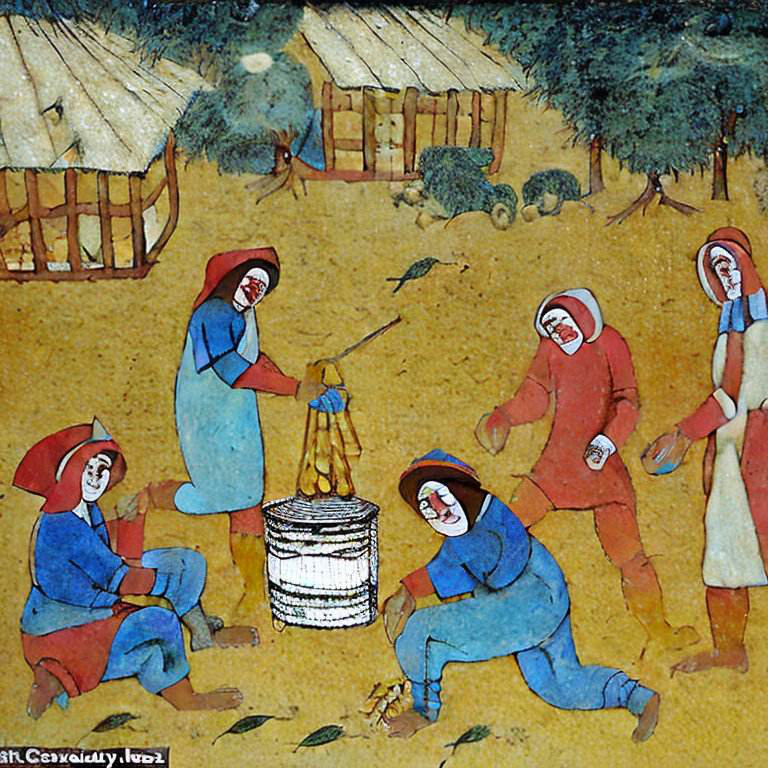
Oghi (also spelled arak, grappa, or arrack) is a traditional distilled spirit that is popular in many Middle Eastern and Eastern Mediterranean countries, including Lebanon, Syria, Italy, and Greece. It is typically made from grapes, aniseed, or other fruits, and is often consumed with meze or as a digestif after a meal.
In Lebanon, oghi is made from grapes and is sometimes called "arak." It is traditionally served with water and ice and is often consumed with meze, a variety of small dishes that are like tapas. Oghi can also be mixed with fruit juices or used as an ingredient in cocktails.
In Italy, oghi is called grappa is a popular alcoholic beverage became more refined, and it eventually became a popular drink among the aristocracy in Italy. The origins of grappa can be traced back to the Middle Ages in northern Italy to distil the pomace, or grape skins and seeds, to create a potent spirit.
In other parts of the Middle East and Eastern Mediterranean, oghi can be made from other fruits such as figs, dates, or plums. The flavour and aroma of oghi can vary depending on the ingredients and the production method, but it is generally characterised by its strong anise flavour and high alcohol content.
Oghi is often associated with socialising and hospitality in the Middle East and Eastern Mediterranean and is a popular drink for gatherings and celebrations. Its rich cultural history and complex flavour profile make it a unique and fascinating spirit to explore.